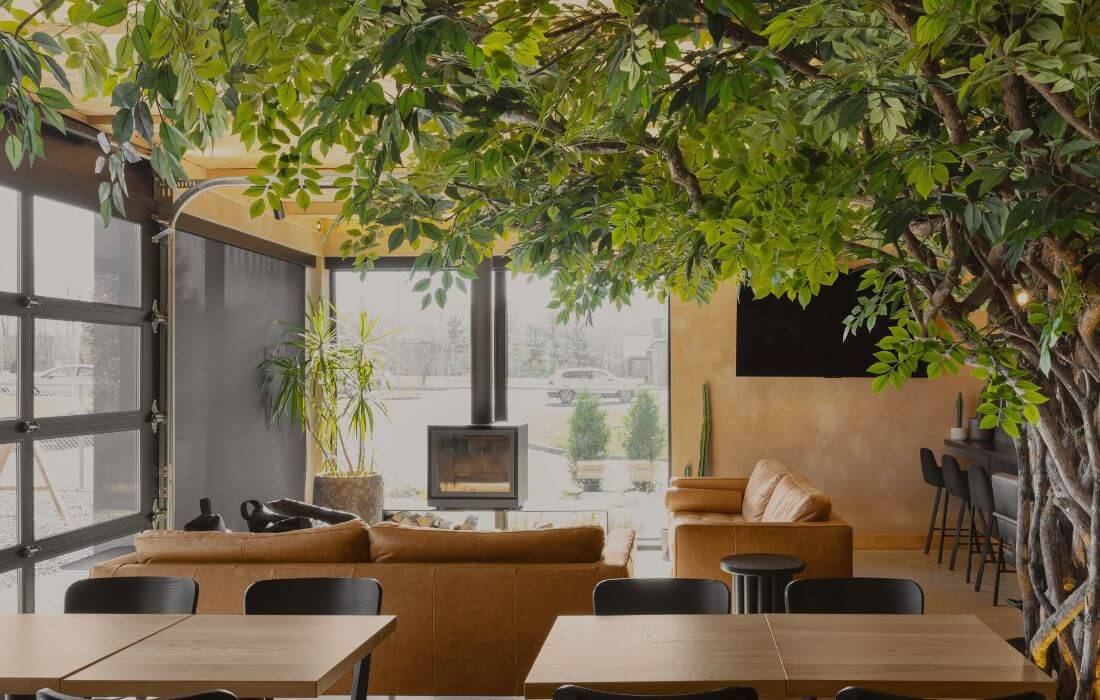
Nowadays, greenery is no longer just a decorative accent; it helps structure a space, define volumes, and shape the overall atmosphere. In both interior design and outdoor settings, plants have become true architectural elements.
More and more designers are adopting a hybrid approach, combining real and artificial plants. Rather than being a compromise, this blend allows for a plant-filled decor that is beautiful, long-lasting, and easy to maintain.
The goal is not to hide the artificial, but to integrate them thoughtfully into an overall design vision.
Give each plant a specific purpose
In a well-designed space, every element has a role to play
- Natural plants : ideal for bright and accessible areas, they bring movement and seasonal change—perfect for spaces where maintenance is part of the ritual.
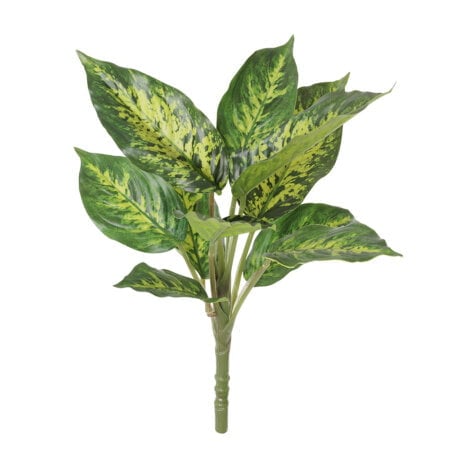
- Artificial plants : ideal for hard-to-reach, low-light, high-traffic, or weather-exposed areas, artificial plants provide a consistent green presence and visually balance the decor year-round.
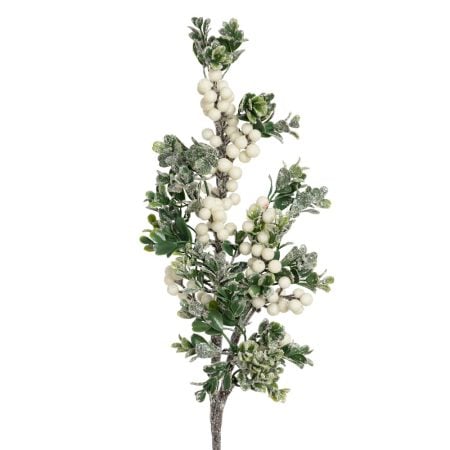
In design, artificial greenery doesn’t replace real plants—it enhances the decor.
Create a visual harmony between real and artificial plants
The secret to a successful mix lies in visual continuity. For a convincing result, it is essential to harmonize:
- The types of foliage
- The proportions
- The textures
- The color palettes
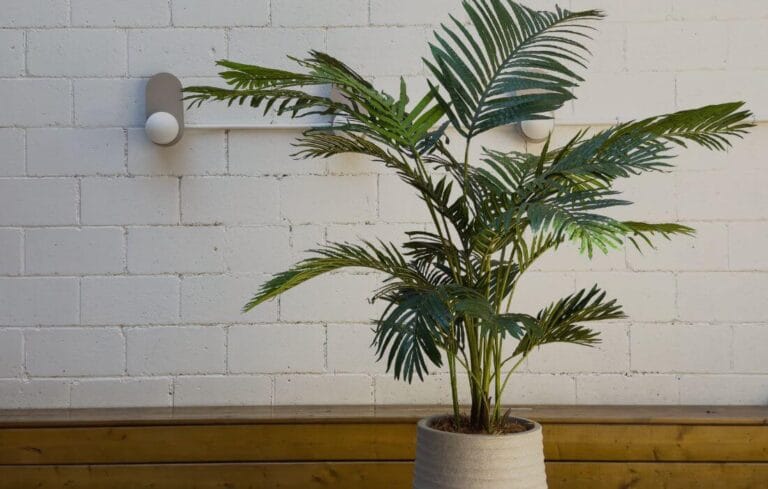
Repeating certain shades or shapes helps unify the overall look without disruption. For example, an artificial tree with dense foliage can pair nicely with natural cactus. Avoid overly strong contrasts, such as combining a tropical artificial plant like a palm with a natural olive tree. In design, subtlety is key.
Play with volume and verticality in your arrangement
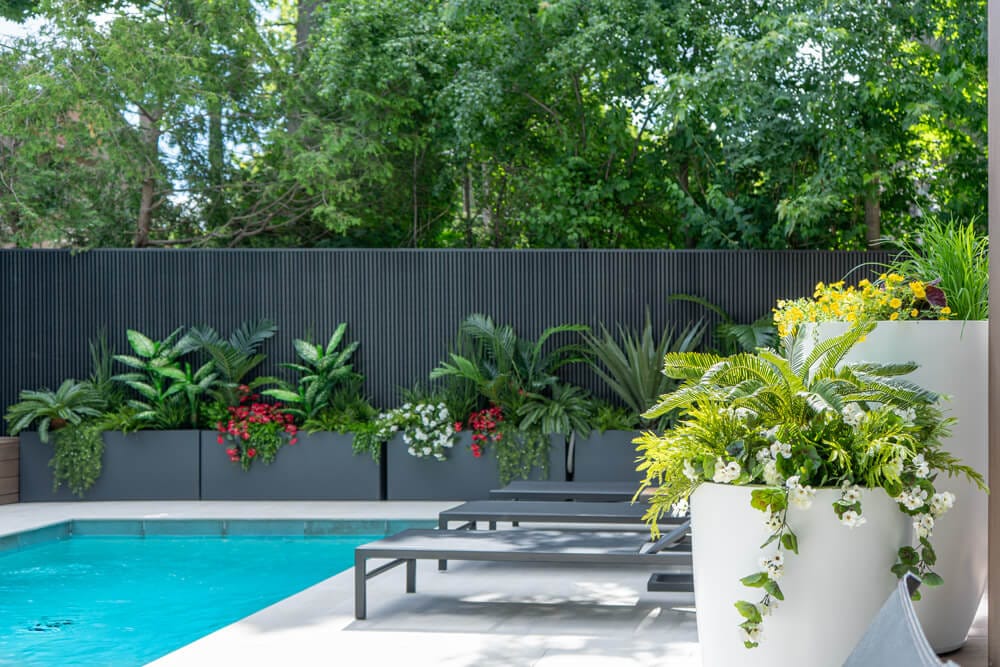
A stylish plant arrangement relies on thoughtful staging. Rather than scattering plants, group them to create lush green masses. Layer different heights:
- Large statement plant
- Mid-level foliage
- Small finishing elements
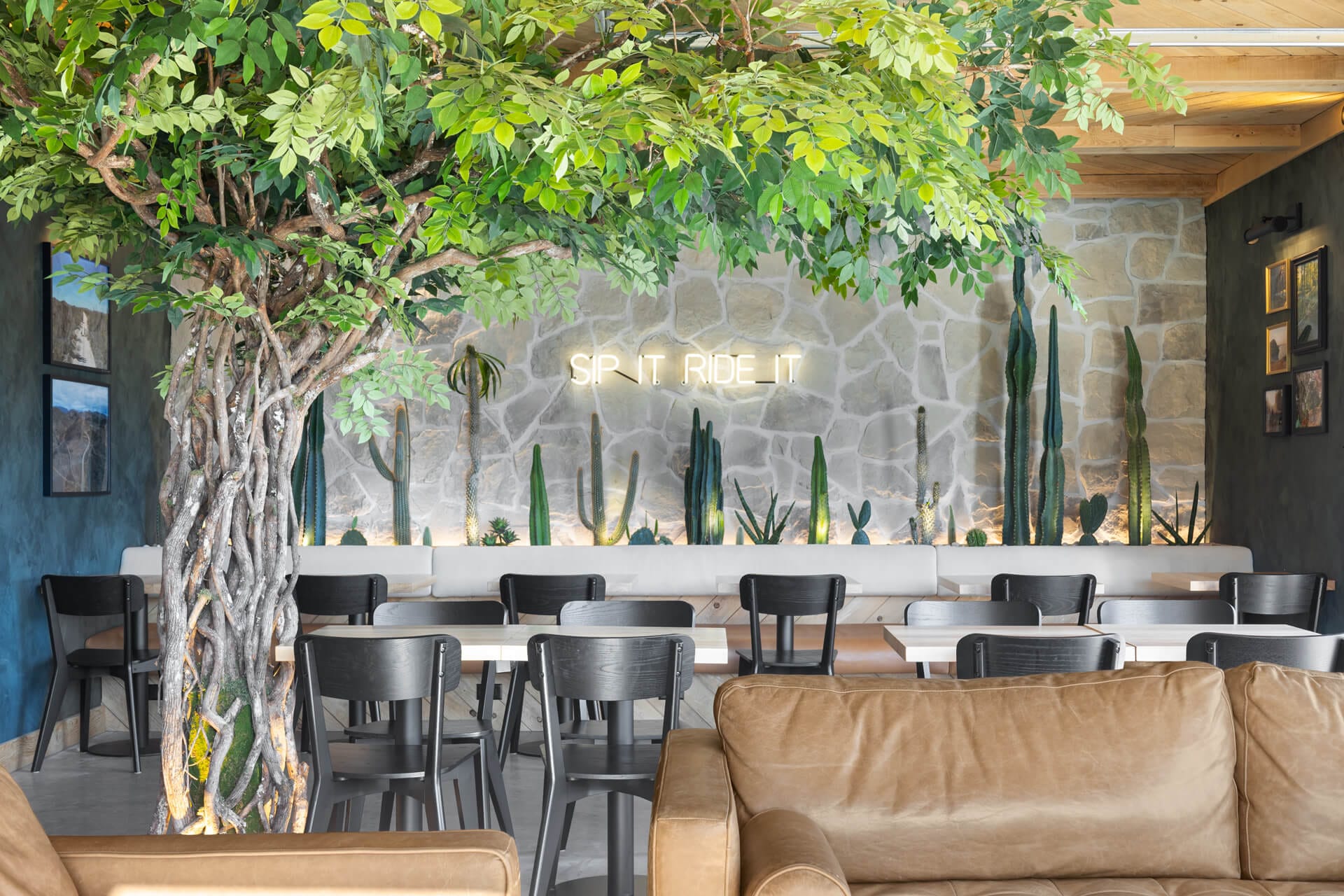
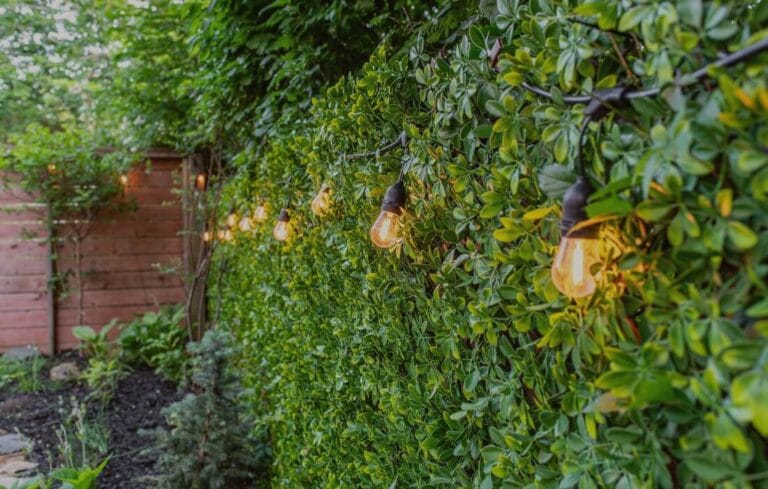
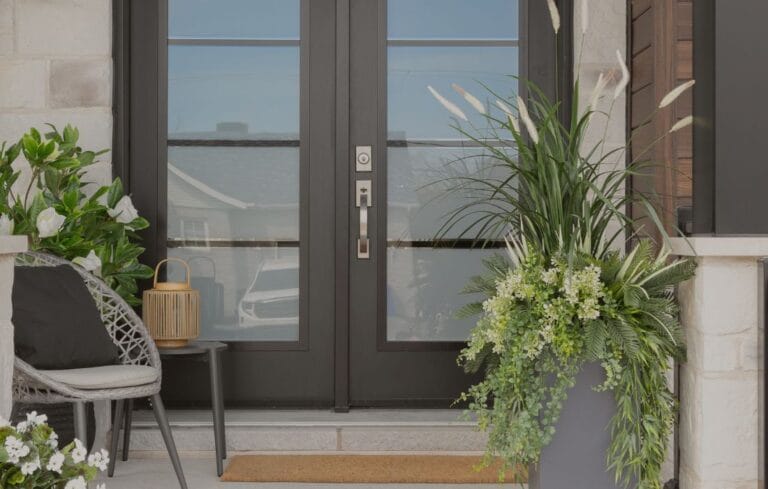
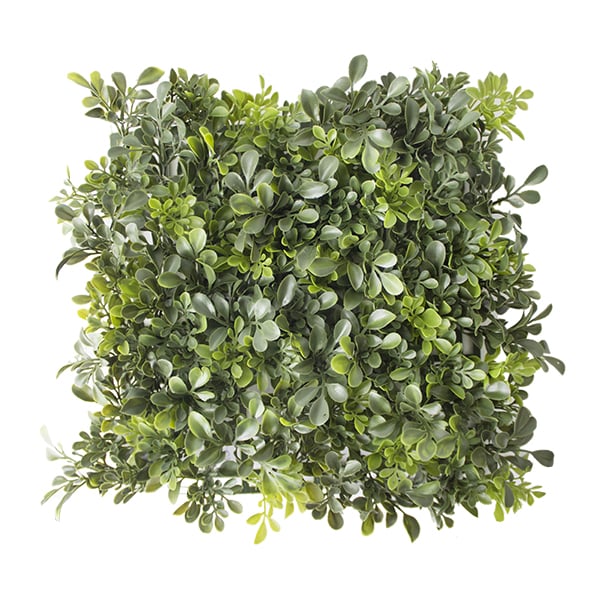
Artificial plants are especially useful for emphasizing verticality: green walls, artificial foliage trellises, and tall arrangements. They help define spaces, frame an entrance, or create a focal point—without the maintenance hassle.
Managing volumes in this way adds depth and transforms a simple decor into a true visual experience.
Focus on the details to achieve a premium look
Design is all in the details:
- Shape the stems of an artificial plant
- Gently spread the foliage
- Break overly perfect symmetry
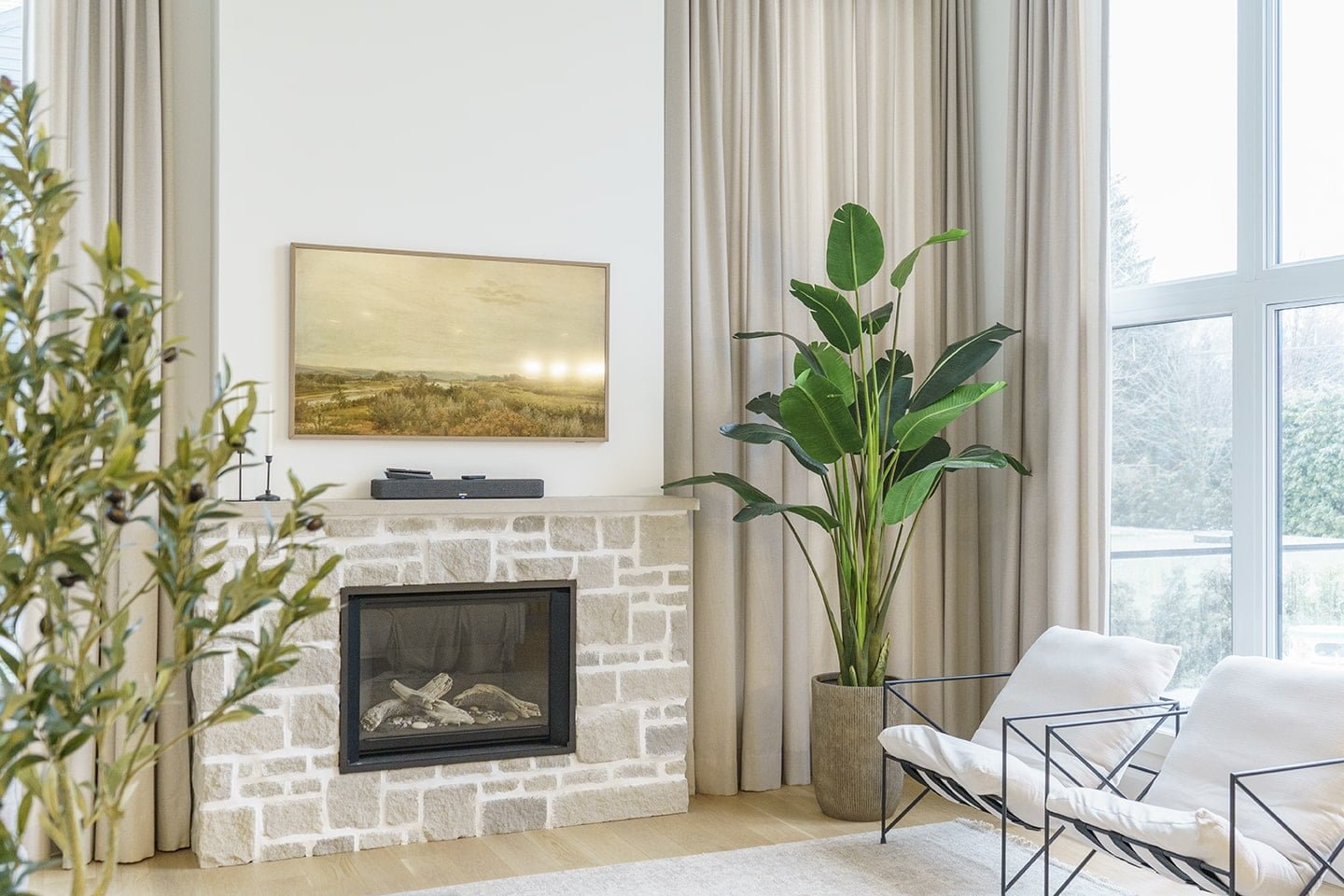
Adding natural materials—textured ceramics, fibers, wood, stone—enhances the overall authenticity and helps integrate artificial greenery into interior or exterior decor.
A convincing plant arrangement should never feel rigid; it should look organic and naturally integrated into the space.
Where the mix truly comes to life
The combination of real and artificial plants is especially effective in:
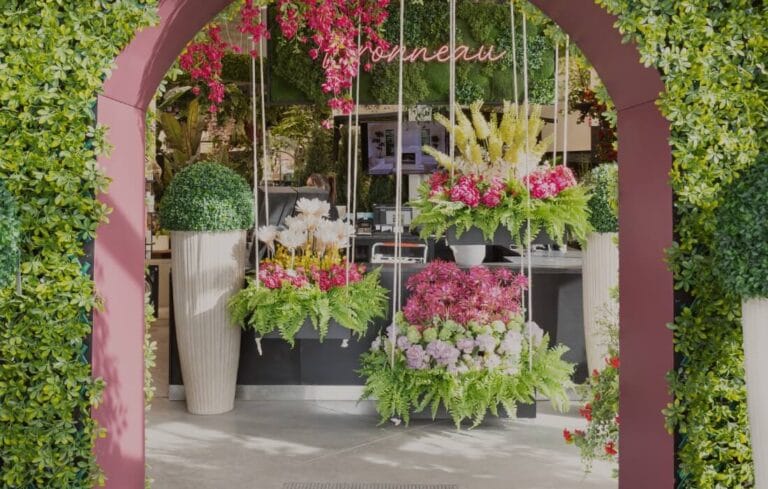
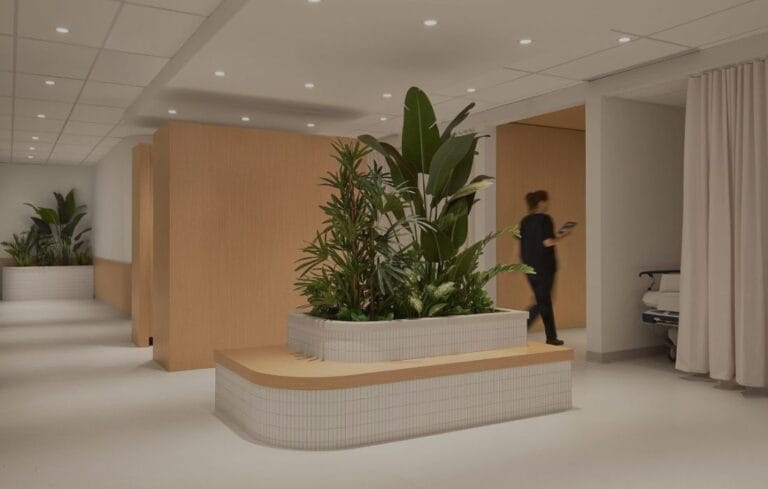
- Commercial spaces: the appearance must remain flawless year-round
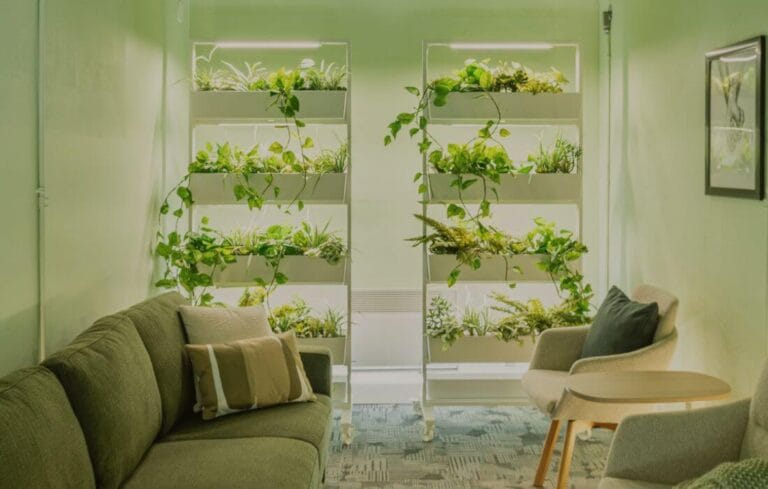
- Offices: often limited in natural light
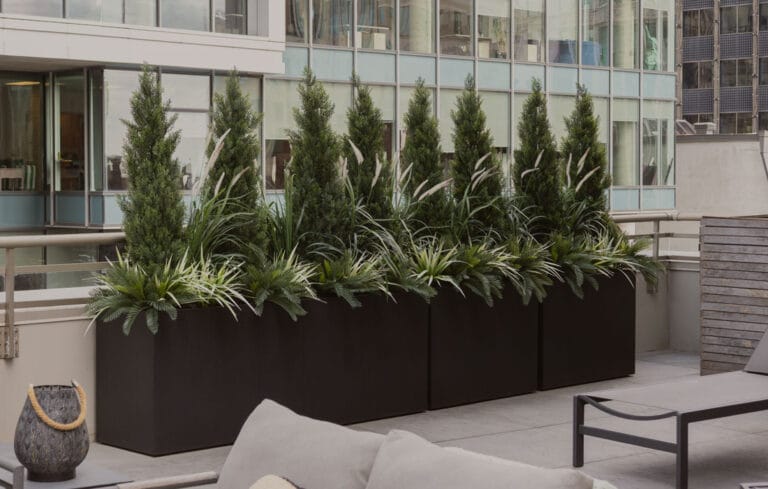
- Terraces and balconies: exposed to changing weather conditions
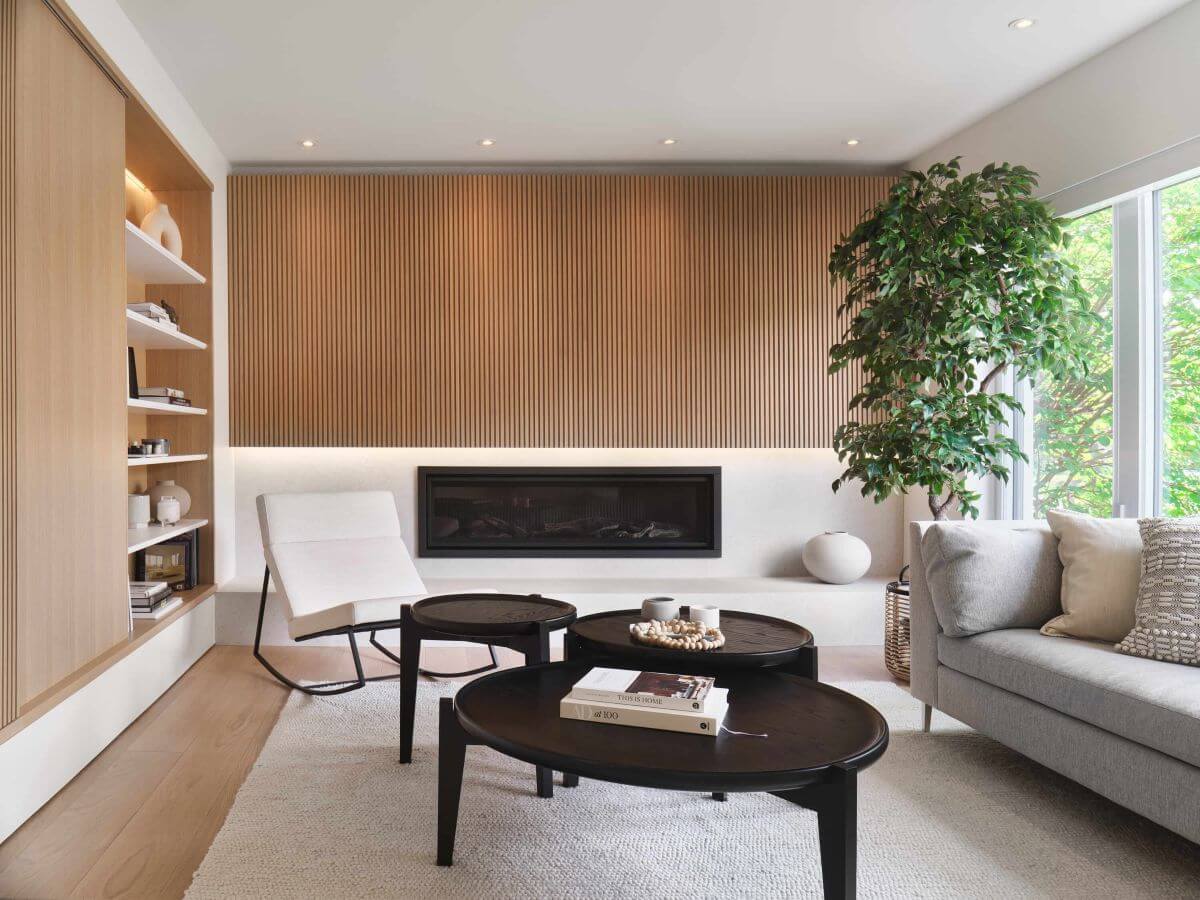
- Contemporary residential interiors: greenery becomes an architectural element
In each of these settings, artificial plants provide consistency and balance while seamlessly fitting into a thoughtful design vision.
A lasting and aesthetic balance
Mixing real and artificial plants allows you to enjoy the best of both worlds: the vitality of living greenery and the consistent beauty of low-maintenance plants.
When applied thoughtfully, this approach creates a plant arrangement that is sustainable, flexible, and carefully curated—able to adapt to technical constraints while maintaining a strong aesthetic signature.
Plants are no longer just decorative—they have become a design tool.