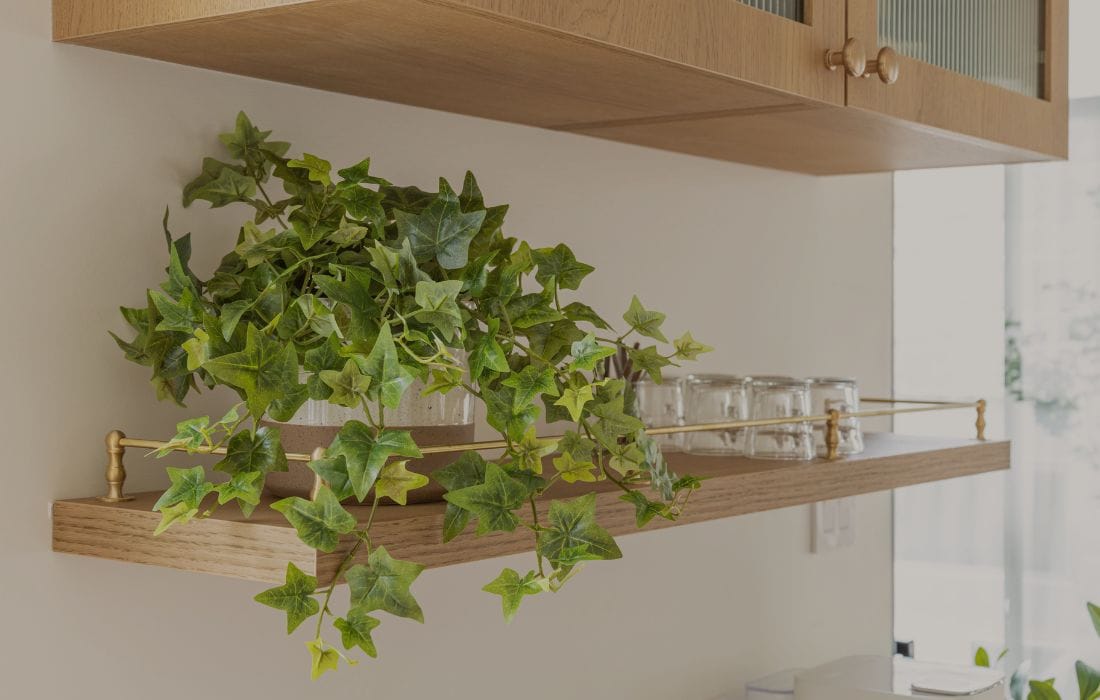
Interior designers know this well: adding greenery is often enough to transform a space quickly and effortlessly. Today, high-end artificial foliage has become a must-have in design, valued both for its realism and its ease of integration. Designed to last and withstand changing trends, it allows the creation of elegant, lively, and cohesive interiors—even in rooms where real plants wouldn’t survive. Here are 5 artificial foliages favored by interior designers—and, most importantly, why they use them so much.
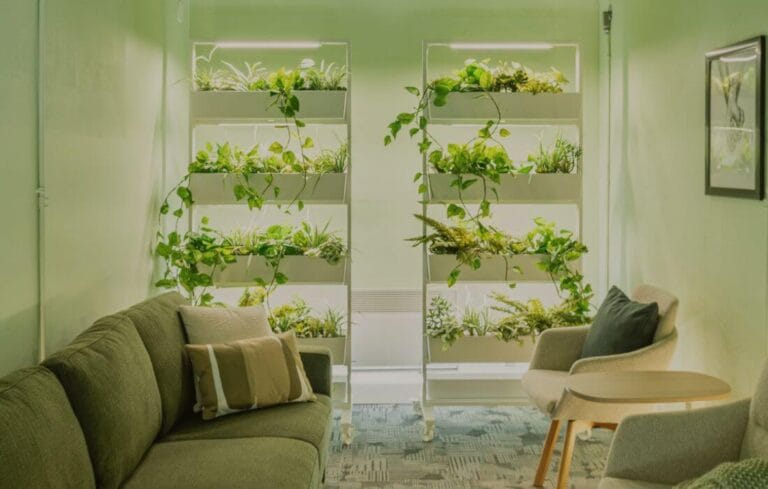
01. Hanging plants
Artificial trailing plants are often used by designers to add movement and soften the straight lines of a space. They give the impression that the decor has been carefully thought out down to the smallest detail.

Why designers use them:
- They bring depth to a space without taking up floor space
- They decorate shelves, ledges, and wall cabinets
- Their cascading shape instantly adds a wow factor
Where to place them:
- On wall shelves or bookshelves
- Above kitchen or bathroom cabinets
- In an entryway to create a warm welcome
Artificial vinca, for instance, is loved for its lush, elegant leaves that drape naturally. Pothos is another favorite, admired for its incredibly realistic look.
02. Green ferns
A symbol of freshness and lush greenery, the fern is a timeless classic in the world of houseplants… and for good reason—it never goes out of style! In its artificial version, it becomes even more appealing to designers.

Why designers love it:
- Its abundant foliage creates an instant lush effect
- It adds an organic and timeless touch
- It fits seamlessly into both modern and rustic decor
Where to use it:
- On a kitchen counter or island
- In a laundry room or office
- On a console table or accent piece
Artificial ferns allow you to recreate the ‘live plant’ effect without worrying about light or watering.
03. Eucalyptus
Artificial eucalyptus is a designer favorite thanks to its airy look and natural elegance. It’s often used to craft serene and minimalist spaces.

Why designers use it so much:
- Its light, airy foliage balances minimalist spaces
- Its gray-green hue blends easily with neutral decor
- It evokes a sense of well-being and a spa-like atmosphere
Top ways to use it:
- In a bathroom to create a zen atmosphere
- On a shelf or vanity
- In a bedroom or relaxation corner
Placed in a white or ceramic pot, an artificial eucalyptus stem becomes a decorative element in its own right.
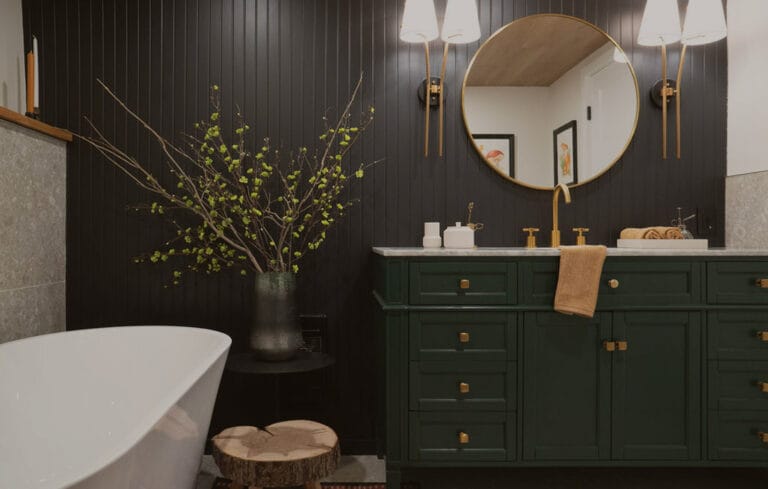
04. Oversized branches
When a designer wants to create a strong visual impact, they often turn to oversized branches or foliage. These pieces become true architectural elements.
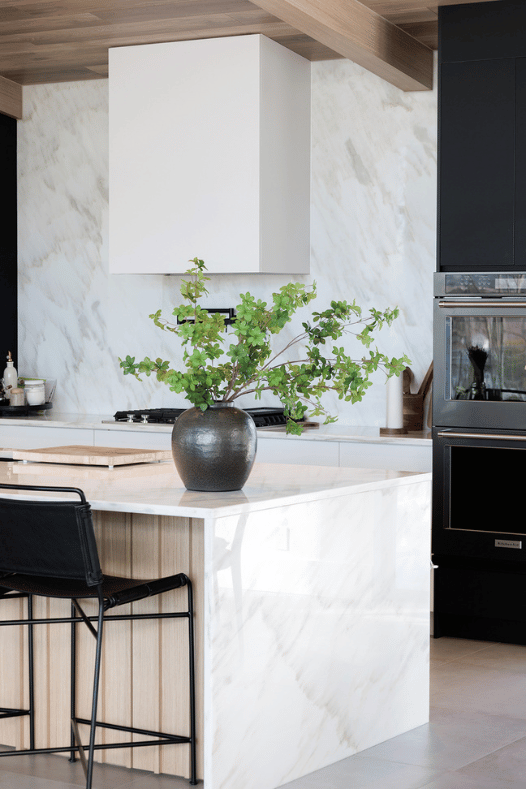
Why they are so popular:
- They instantly add height to a room
- They fill the space without making it feel heavy
- They add a luxurious, show-stopping touch to any space
Where to showcase them:
- In a large floor vase
- Next to a window or kitchen counter
- In an entryway or open-concept living room
Lemon tree, olive tree, and laurel tree foliage are especially appreciated for their chic Mediterranean look.
05. Decorative herbs
Though often understated, decorative herbs are key to finishing a space. Designers use them as the perfect final touches.

Why they work so well:
- They add a fresh, natural touch
- They complement a decor without stealing the spotlight
- They are perfect for small spaces
Placement ideas:
- On a kitchen counter
- On a shelf or windowsill
- In a dining room or office
Artificial rosemary or purslane, with its delicate foliage, is perfect for a natural and polished look.
Interior designers choose artificial foliage for its versatility, realism, and durability. Whether trailing, structured, minimalist, or oversized, these plants help create lively, elegant spaces without any hassle. When carefully selected, they become must-have decor elements—season after season.
Want to recreate these looks at home?
Discover our selection of artificial foliage, designed to blend seamlessly with any interior style.