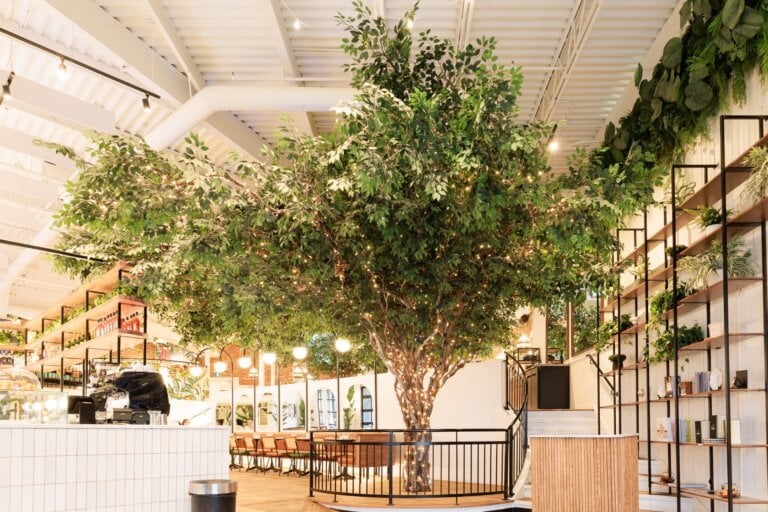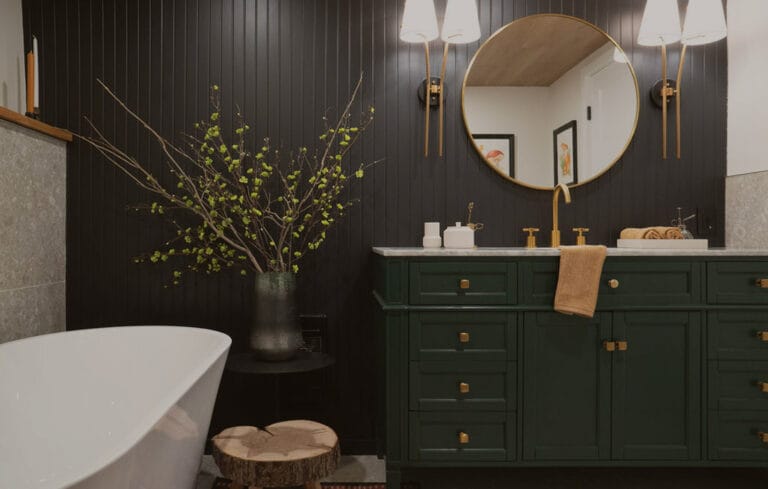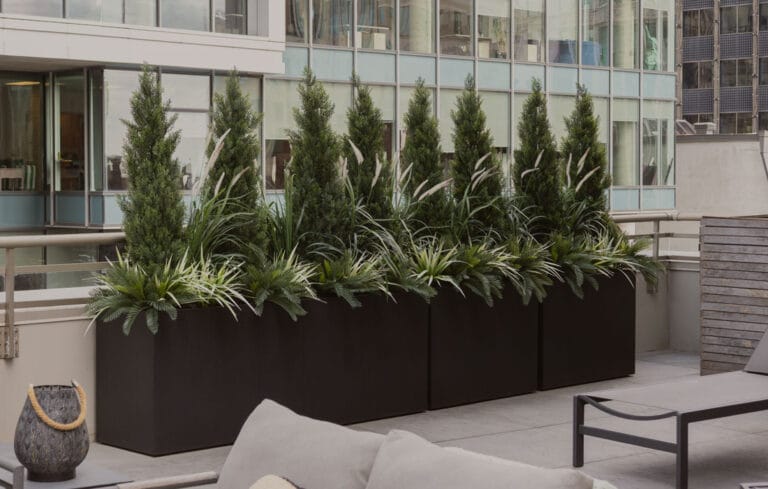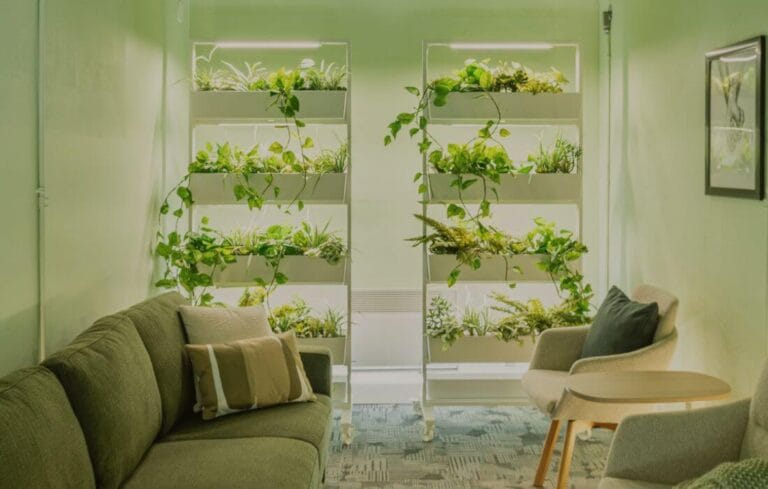
In 2024, artificial plants are still widely used in both indoor and outdoor designs, which had raised questions about their utility and effects on the environment. Supporters of natural plants often point out that they don’t look the same, or that they can cause negative impacts on the environment. But what is really the truth?
Artificial plants: as beautiful as the real ones?
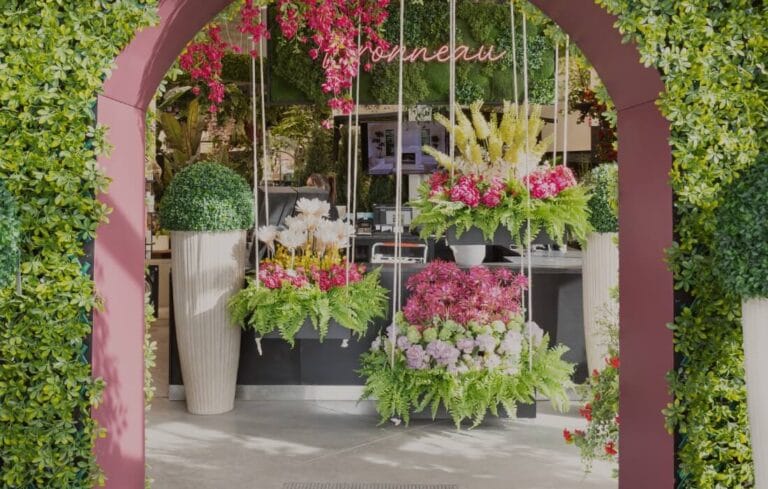
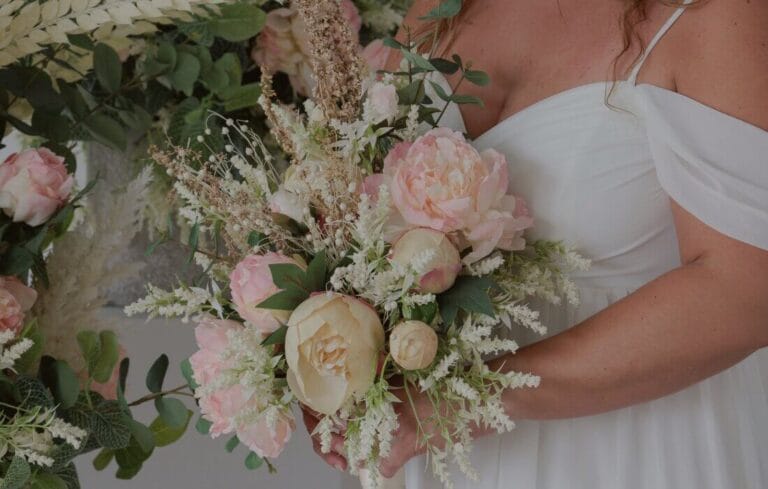
Artificial plants have come a long way! Once considered tacky and fake, they are now so well designed that it’s hard to find the real from the faux. In 2024, artificial plants are still “in”, and the demand for these products continues to grow due to their many advantages.
Why buy artificial plants?
Artificial plants meet a variety of needs. Whether it’s for someone who can’t physically take care of real plants, who has allergies, children or pets, who doesn’t have a green thumb, who lives in a place where conditions are not favorable for live plants or who travels frequently.
What about environmental impact?
The environmental impact of artificial plants is the subject of much debate. However, it should not be forgotten that artificial plants require no water, soil, fertilizers or pesticides, thus reducing the carbon footprint associated with their maintenance. What’s more, they can last for many years, unlike annuals, which have a limited lifespan and need replacing every year. Find out more here.
The artificial: a complementary option
As the world continues to become more aware of environmental issues, the role of artificial plants in interior and exterior decoration is evolving. They are no longer seen simply as an alternative to live plants, but as a complementary option!
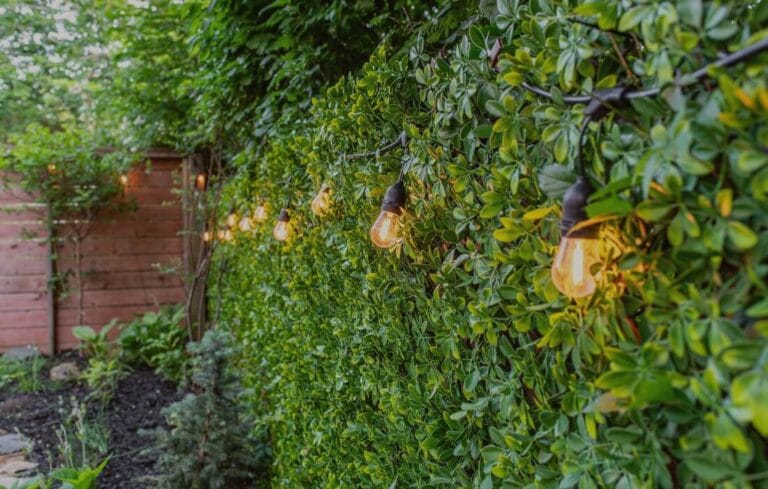
Greenery where nothing grows
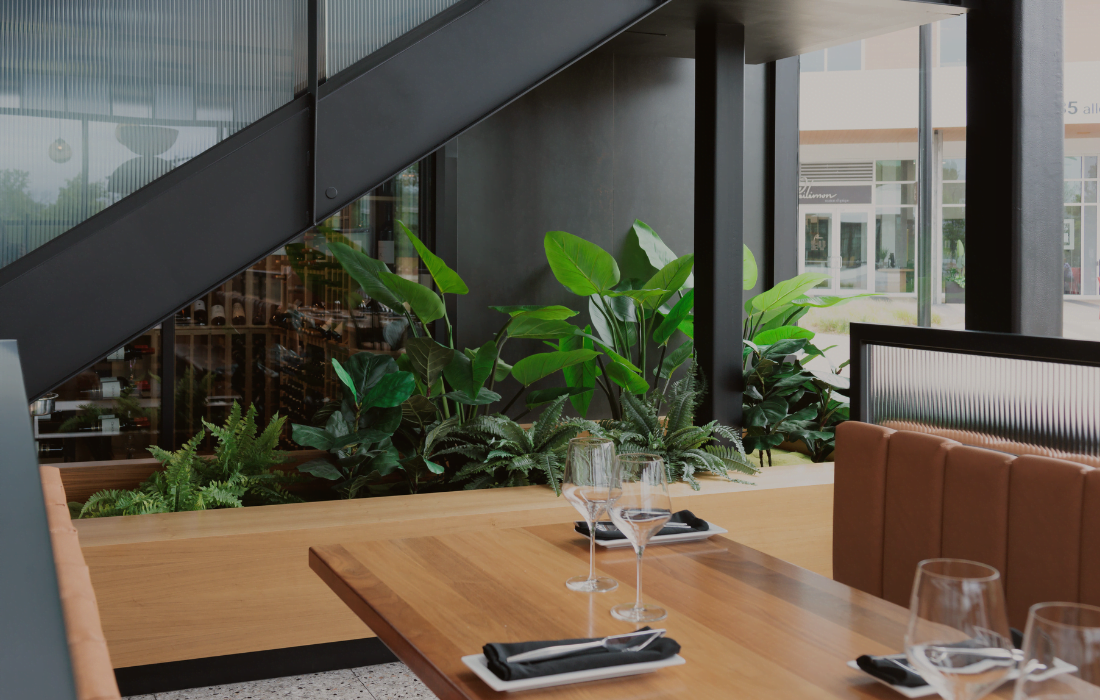
Indeed, by adding artificial plants into spaces where conditions do not allow the growth of living plants, such as low-light areas or industrial environments, we can create greener, more pleasant spaces without increasing the consumption of natural resources. What’s more, by combining live and artificial plants, it’s possible to enjoy the aesthetic and practical benefits of plants while minimizing maintenance and resource requirements.
Is it a durable choice?
Their durability is a major asset. Artificial plants remain intact and beautiful effortlessly, making them perfect for decorating any environment, whether domestic or professional. They retain their fresh, attractive appearance all year round, regardless of the season.
Which artificial plants to choose?
Choosing quality artificial plants makes all the difference! Décors Véronneau has specialized in this field since 1984. Among the easiest plants to imitate are the bird of paradise, the snake plant, the zamioculcas and the palm tree.
What Véronneau does to reduce its footprint
To reduce the environmental impact of artificial plants, we use recycled materials (recycled wood trunks) for the handmade collection and for packaging. Reducing emissions during the manufacturing process are measures that can make artificial plants more environmentally friendly. In fact, one of our suppliers has a mission to be climate neutral by 2030!
In 2024, artificial plants continue to be popular because of their ease of maintenance and long-lasting aesthetics. Although their environmental impact is a concern, efforts are being made to make their production and use more eco-friendly. Ultimately, artificial plants offer a practical solution for integrating nature into our living spaces, while seeking to minimize their ecological footprint. With continued innovation and increased awareness of environmental issues, artificial plants can play a positive role in our contemporary lifestyles.